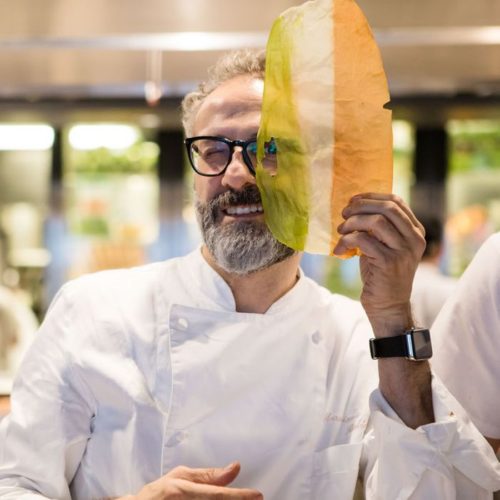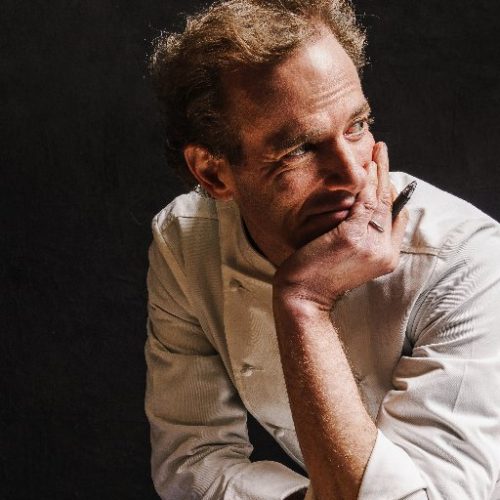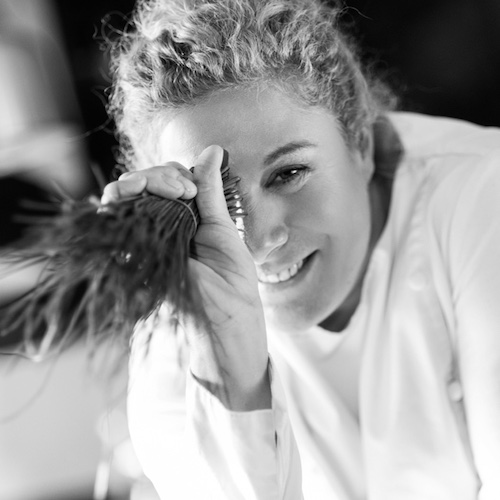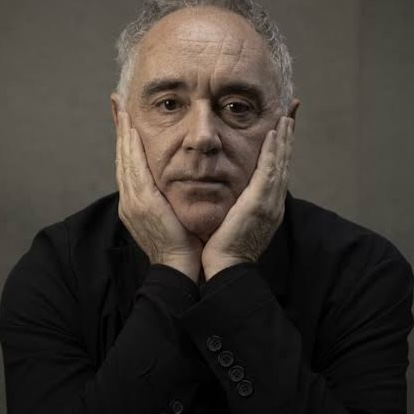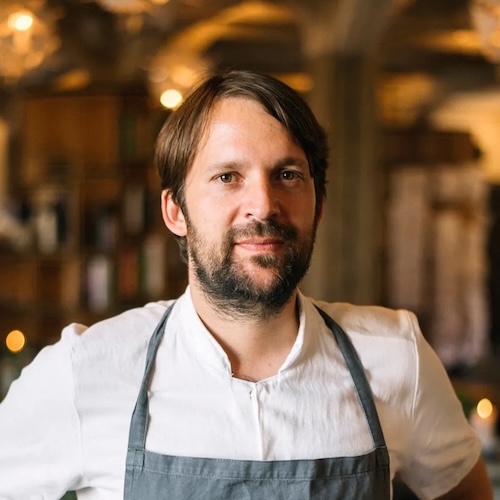
Back in 2015, creator/producer David Gelb began documenting the gastronomic practices and sensibilities of some of the world’s most celebrated chefs in the award-winning Netflix series, Chef’s Table. So far, Chef’s Table has produced seven seasons, plus five spin-off seasons (France, BBQ, Pizza, Noodles, Legends), meaning that between 2017-2025 the Emmy-nominated series featured over 55 professional chefs working around the globe. I recently read that Season 8 is forthcoming.
Like many culinary enthusiasts, I devoured the first season’s episodes not only to savour the work of elite-level chefs, but also to deepen my own culinary understanding and sensibilities. As additional seasons were released, however, I found myself increasingly identifying with both the pleasures (e.g., creativity, innovation, service, etc.) and pains (e.g., stress, burnout, repetition, etc.) of professional chefs; they felt much like those I had experienced in my years working as a professional educator. Soon after that important identification, the Chef’s Classroom project was born.
Each episode of Chef’s Classroom attempts to reorient the history, passion, drive, and vision of handpicked chefs by temporarily redirecting their talents away from gastronomy and towards pedagogy. In other words, in this project some of the world’s most celebrated and innovative chefs are treated as if they have something important to say to education. As my enthusiasm and investment in this project grew, I began looking beyond the Chef’s Table series so as to consider not only a handful of influential chefs never featured in the series such as legendary Spanish Ferran Adrià and renowned Danish chef René Redzepi, but also a smattering of less celebrated–yet still highly innovative–chefs, cooks, and restauranteurs such as YouTube’s Li Ziqi and New York City’s Nicolas Morgensterns. Lately, I’ve been inspired to create episodes featuring fictional chefs such as Ratatouille’s Remy and Lessons in Chemistry’s Elizabeth Zott.